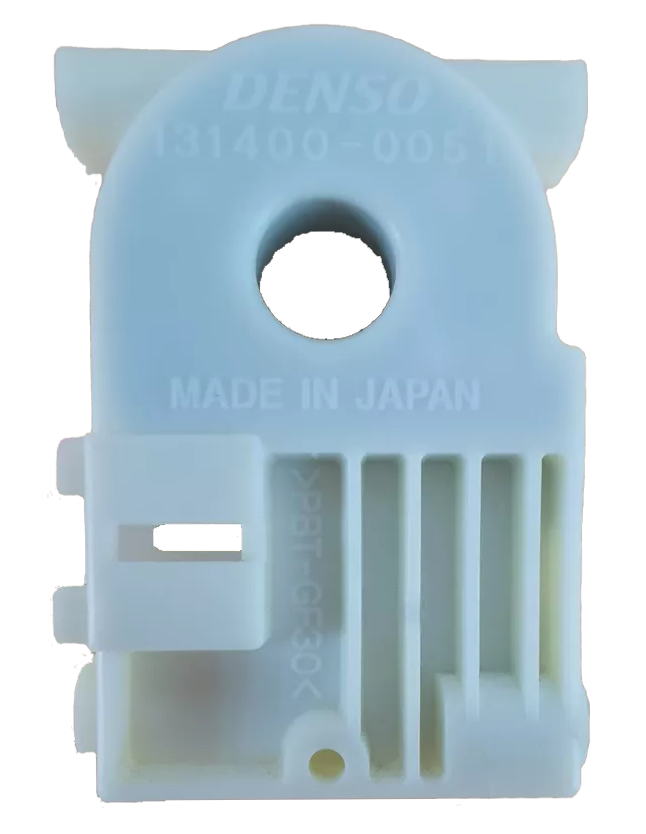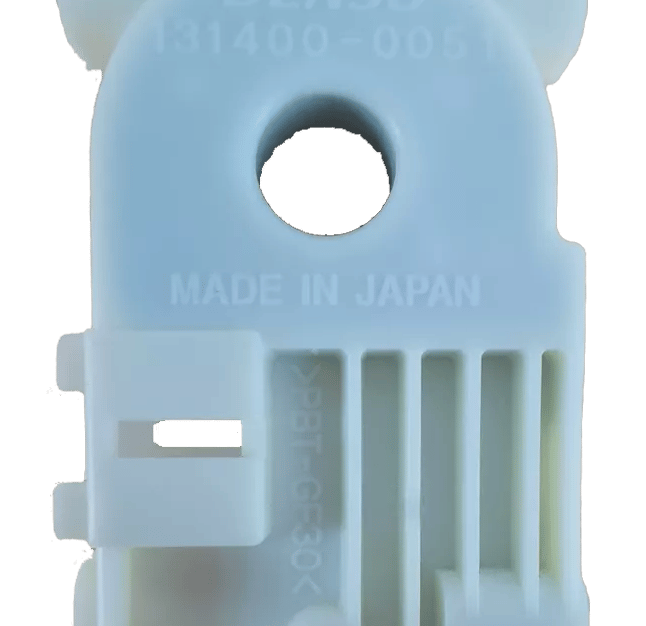
Current Sensor HV
The current sensor in the Toyota Hybrid System II (THS II) plays a vital role in monitoring the flow of current through the high-voltage system, particularly across the main relays. This sensor provides real-time data to the Hybrid Vehicle Control ECU, which is essential for safe and efficient operation of the hybrid system.
Function of the Current Sensor:
Current Measurement:
The current sensor measures the electrical current flowing through the main relays and the high-voltage circuits connected to the battery and inverter.
It typically uses a Hall effect sensor or a shunt resistor to detect the current flow. The Hall effect sensor measures the magnetic field generated by the current, while the shunt resistor measures the voltage drop across it, which is proportional to the current.
Data Transmission to ECU:
The sensor sends the measured current data to the Hybrid Vehicle Control ECU. This data is crucial for the ECU to manage the hybrid system effectively.
The ECU uses this information to calculate the power consumption, monitor the state of charge (SOC) of the battery, and detect any abnormal current flow that could indicate a fault or malfunction.
Monitoring and Protection:
The ECU continuously monitors the current data to ensure it remains within safe limits. If the current exceeds a predefined threshold (e.g., due to a short circuit or overload), the ECU can command the main relays to open, disconnecting the high-voltage battery to protect the system.
This is part of the system's safety protocols, ensuring that any potentially dangerous conditions are managed quickly to prevent damage to components or ensure user safety.
Precharge Process:
During the precharge process, when SMR3 (the precharge relay) is closed, the current sensor helps the ECU monitor the current flowing through the precharge resistor.
The sensor ensures that the current is within expected levels as the capacitors in the inverter are charged. If the current is too high or too low, it could indicate a problem with the precharge circuit, prompting the ECU to take corrective action.
Fault Detection:
The current sensor is also involved in fault detection and diagnostics. If the sensor detects zero current when the relays are expected to be conducting current, or if it detects current when the relays should be open, it can indicate a fault such as a stuck relay or a short circuit.
The ECU can then log a diagnostic trouble code (DTC) and illuminate a warning light on the dashboard, alerting the driver to the issue.
Summary:
The current sensor in the THS II high-voltage system measures the electrical current flowing through the main relays and associated circuits.
It provides real-time data to the Hybrid Vehicle Control ECU, which uses this information to manage power flow, protect the system from overcurrent conditions, and ensure safe operation.
The sensor plays a key role in the precharge process, system monitoring, fault detection, and overall safety of the hybrid system.
This sensor is essential for the precise control and protection of the hybrid powertrain, ensuring that the system operates within safe and efficient parameters.